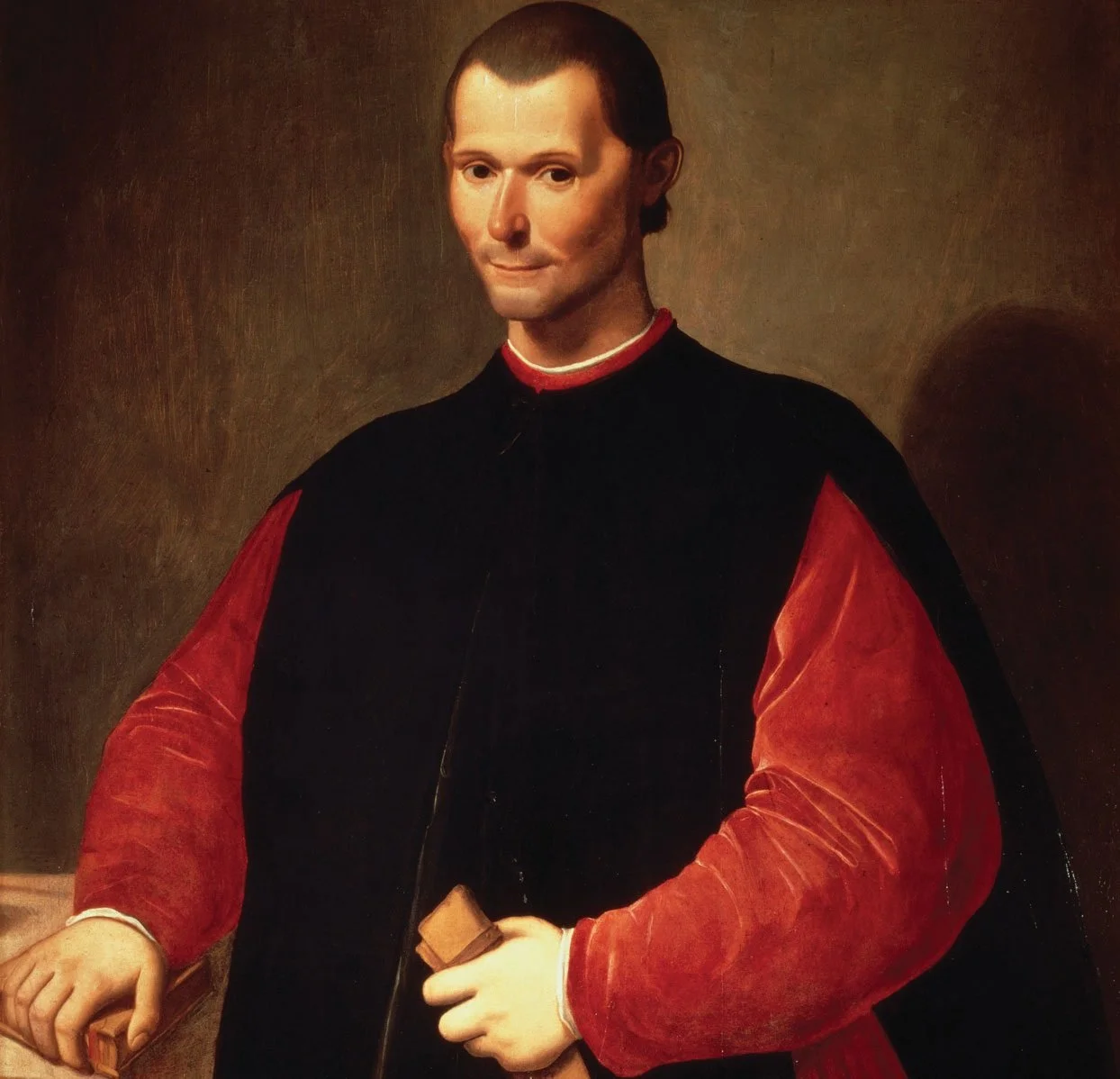
Machiavelli defined the business mistake that keeps talented indie authors struggling
Imagine two independent authors.
The first has spent ten years mastering his prose. He’s attended workshops, studied bestselling novels, and hired professional editors. He’s got well-written books with respectable covers, and his readers generally enjoy them.

Unfortunately, there aren’t many of those readers.
The second author is competent but less accomplished. Yet his books consistently sell, his Kickstarters hit every stretch goal, and his readers await each new release with bated breath.
If it’s not a skill issue, what accounts for the difference?
Most struggling writers will assume the second author has more money to throw at ads, an influential benefactor; some kind of unfair advantage.
So they throw themselves into their writing, convinced that more hard work will close the gap.
But the real difference may be a more fundamental element most people never notice.
The second author occupies a better position.
📕 First, a chance to read my fiction for yourself:

Space pirates OD on the spice from Dune; wake up on Cthulhu’s couch.
The Sublime Brotherhood of Steersmen holds the Middle Stratum in its iron grip. Jaren Peregrine, last of the Gen, raids across fringe space with Nakvin—her captain’s best pilot and only friend, apprentice steersman Deim, and mercenary Teg Cross.
Hunted by the ruthless Master Malachi, Jaren and his crew join a conspiracy to break the Guild’s monopoly with an experimental ship. But when its maiden voyage goes awry, the Exodus flies farther off course than its crew could have imagined.
What Machiavelli can teach indie authors
A modern business theory inspired by Niccolo Machiavelli distinguishes between two entirely separate assets: ability and position.
Ability determines what you can accomplish.
Position determines which opportunities are available to you and how much benefit you can extract from your efforts.
What does that mean?
Consider two miners.
One has the finest equipment and decades of experience but digs where only small traces of gold are to be found.
The other has used equipment and modest skill but stakes his claim right on the motherlode.
Assume both put in equal work; heck, let’s say the more highly skilled miner works twice as hard as the other.
When all is said and done, who gets more gold?
To ask the question is to answer it. And buying the first miner a better pickaxe won’t solve his problem.
Because there’s just not enough for it to dig up.
The same concept applies just as well to publishing. An author can put in years improving his writing, speeding up releases, and refining ads without breaking through to a higher income level.
Because if all of that effort is poured into places with few readers, it will yield diminishing returns.
If you’ve heard the complaint about indie authors mostly selling to other authors, you’re familiar with a positioning problem, whether you knew it or not.
That observation describes a weak position common to newpub. But oldpub authors aren’t immune. Beholden to publishers, their careers can be taken away at the whim of a single gatekeeper. That situation is what Machiavelli would describe as a dangerous position.
So, how to improve a weak or precarious position?
The first step toward changing your fortunes is identifying where paying readers are.