The professional editing fix for one of the most common mistakes in new authors' early drafts
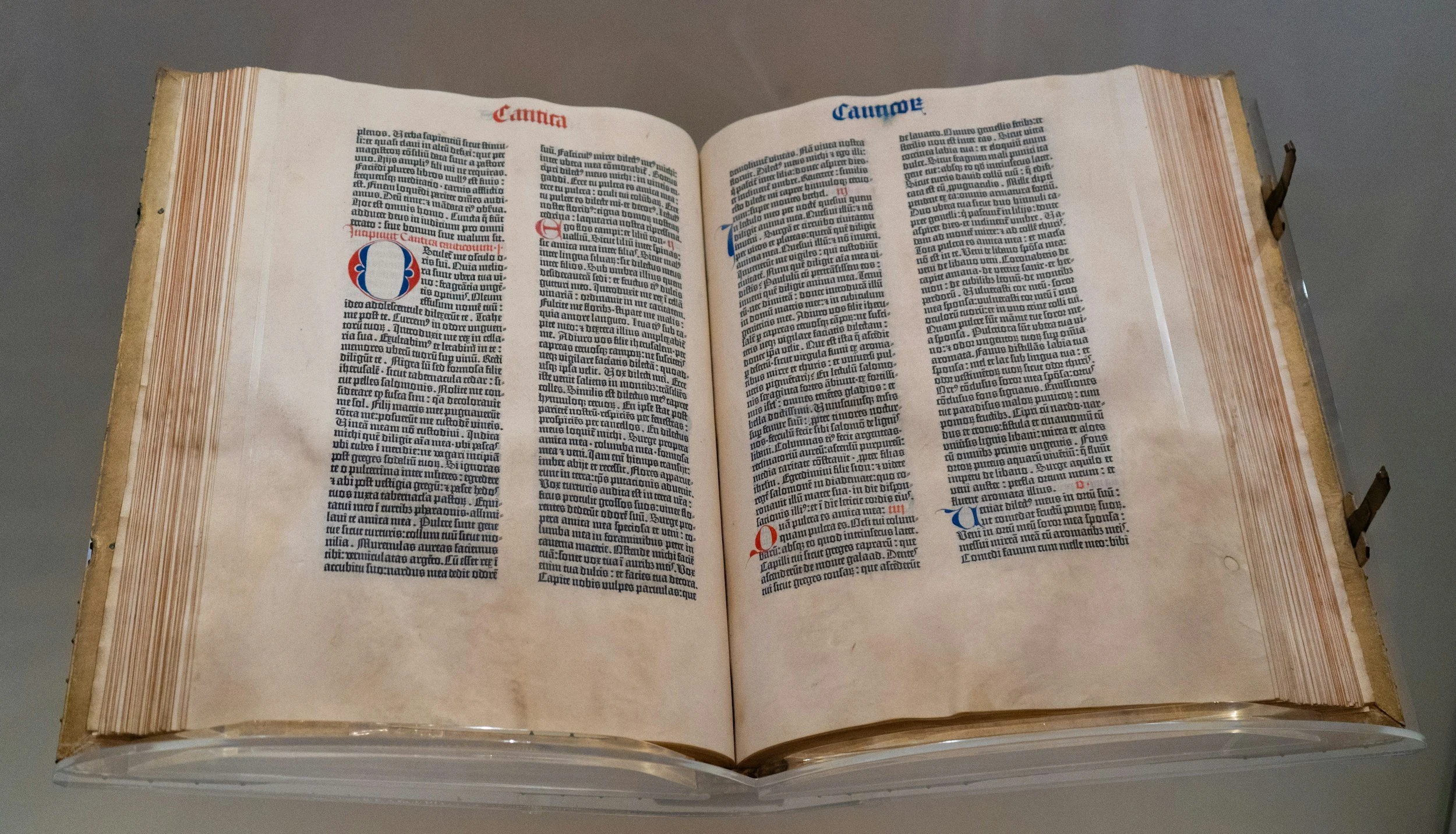
One enduring mystery of editing fiction is how often a scene can contain all the right information and still leave the reader completely lost.
Every important setting detail is in place. All the characters’ motivations make sense. And each action follows logically from the last. At least, that’s how it looks to the author. From the reader’s point of view, it’s a different story.
📕 First, a chance to read my writing and see the proof for yourself:

Space pirates OD on the spice from Dune; wake up on Cthulhu’s couch.
The Sublime Brotherhood of Steersmen holds the Middle Stratum in its iron grip. Jaren Peregrine, last of the Gen, raids across fringe space with Nakvin—her captain’s best pilot and only friend, apprentice steersman Deim, and mercenary Teg Cross.
Hunted by the ruthless Master Malachi, Jaren and his crew join a conspiracy to break the Guild’s monopoly with an experimental ship. But when its maiden voyage goes awry, the Exodus flies farther off course than its crew could have imagined.
The scene you see isn’t the one they read
When you picture a scene you’re writing, it appears to you as a complete sequence of events. All the characters’ positions relative to the setting and each other is clear in your mind. You know who is armed, and who’s hiding behind the door.
Here is the fact many new writers miss: Readers come in knowing none of the above. They know only what’s conveyed through the words you type on the page, in the order you wrote them.
That’s why a scene that seems perfectly clear when you’re writing it can confuse everyone else who reads it.
Consider this example:
Daniel rounded on the source of the scream. His brother ran. The old man reached for the door, but he was struck before he could open it. Daniel raised his pistol and fired.
Plenty of exciting action is happening there, no doubt about it.
But what action, exactly?