Perseverance is essential, but if you don't know why a project failed, you’re setting the next one up for failure.

A peculiar habit is unusually prevalent among independent authors. And it’s the number one reason many of them stay broke.
They’ll devote months to writing a book, weeks to preparing its launch, and hundreds; even thousands, of dollars promoting it.

Then, when the launch window or Kickstarter ends, they move on.
Sure, they know the funding total, and how many copies they moved. But ask them how many backers or readers a specific ad brought in, which emails converted, or how many warm leads bought the book, and they stare at you like deer in headlights.
Because the hard truth is, many authors don’t want to know those answers.
This bad habit of hiding from the facts has a name: ostrich syndrome.
And it may be costing you more money than any A.I. flood or algorithmic curveball.
Why authors avoid the numbers
It kind of makes sense. Most authors get into publishing because they love telling stories. They’d rather spend an afternoon world building than studying email click rates or crowdfunding conversion data.
And believe me, I understand. I’ve written novels for more than a decade, and I still find the creative side of publishing far more appealing than poring over analytics.
But there’s another reason authors avoid measuring results …
The numbers might show them what they don’t want to see.
Maybe their supposedly enthusiastic audience isn’t buying.
Or the advertising campaign they spent $500 on gleaned three sales.
Perhaps their lovingly crafted newsletter got few opens and fewer clicks.
Such discoveries can be uncomfortable, no doubt about it.
But they also provide some of the most valuable information you can get.
📚 First, a word about Nethereal
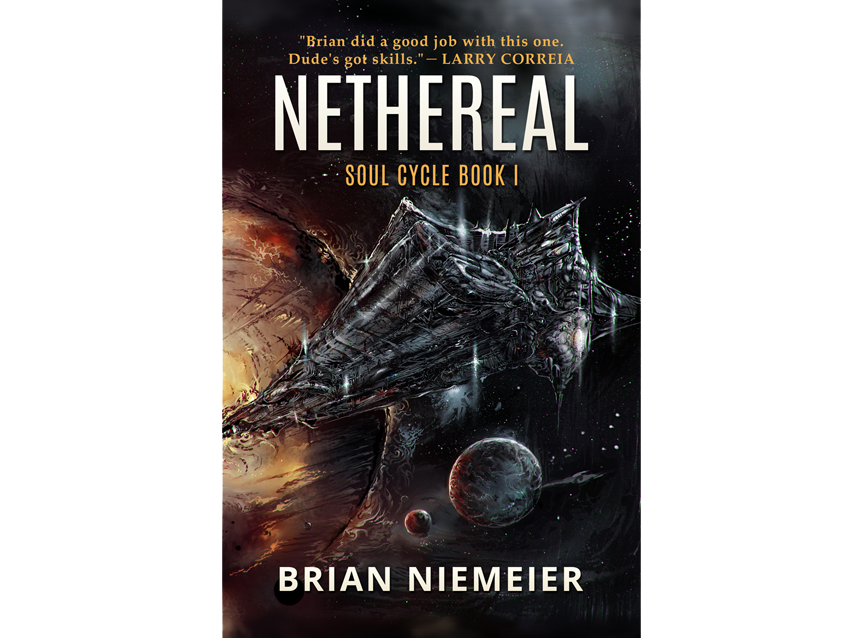
What happens when the cast of Firefly hijacks a prototype ship bound for Hell?
Nethereal, my Campbell-nominated debut novel, launched the Soul Cycle: a horror-adventure saga of cosmic warfare ignited by forbidden knowledge.
If you enjoy dark fantasy, cosmic horror, and stories with not just worlds, but countless souls at stake, I’ve got a whole cosmos waiting for you.
The campaign that taught you nothing
Imagine that two authors each launch crowdfunding campaigns. Both raise $5,000.
The first author celebrates, fulfills rewards, and starts planning the next book.
The second author goes over the results. He discovers that most backers came from his mailing list. Social media posts got attention but few pledges. Meanwhile, a small group of returning customers accounted for a surprisingly large share of the total.
How will they run their next campaigns?
Author 1 reuses the same promotional schedule because it seemed to work.
But months earlier, Author 2 started making targeted efforts to grow that mailing list, cultivate returning backers, and improve his promotional posts’ conversion rates.
Who is likelier to raise more money this time?
Hear what your readers say; measure what they do
One of the most treacherous indie publishing pitfalls is confusing attention with success.
Authors celebrate when a post gets 50,000 views.
They pop the champagne when a crowdfunder draws 200 prelaunch followers.
Don’t get me wrong, those are impressive numbers.
But they only tell half the story … and not the important half.
Because what you really want to know is:
The numberof viewers clicked through to the sales page?
What percentage of newsletter subscribers bought the book?
How many crowdfunding followers actually backed the campaign?
Remember: The closer a number is to a sale, the more it tells you about the actual state of your business.
That doesn’t mean impressions, opens, and follows are worthless. They can help you understand how leads go from cold to warm.
But you need to measure the whole process; not just the part that makes you feel popular. Otherwise, you may squander months of effort optimizing for applause instead of revenue.