H.P. Lovecraft Accidentally Made the Strongest Argument for Christian Humility
Few authors have influenced modern horror more than H.P. Lovecraft.
His fingerprints show up everywhere. Video games borrow his monsters. Films imitate his atmosphere. Novelists continue expanding his mythology nearly a century after his death. The term “Lovecraftian” has become shorthand for an entire category of horror.
Yet despite his enormous influence, many readers misunderstand what makes his stories frightening.
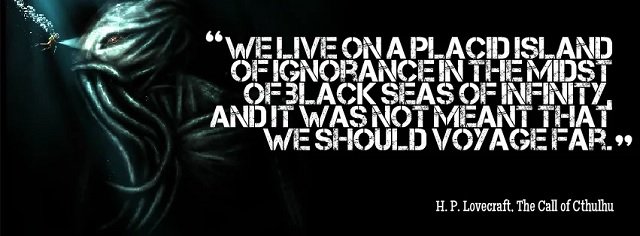
Popular commentary often reduces Lovecraftian horror to fear of the unknown. That explanation sounds plausible at first glance. Unknown threats certainly populate his fiction, often hiding right behind ordinary reality.
The problem is that in the Lovecraft mythos, what people don’t know seldom hurts them.
Knowledge does.
Consider how Lovecraft’s stories typically unfold. A scholar discovers some forbidden text. He follows clues he should have ignored. The trail leads to information hidden for centuries.
Curiosity drives the plot, only for the final discovery to trigger catastrophe.
Again and again, Lovecraft’s protagonists begin in relative safety. Disaster strikes only after they learn what mankind was never supposed to know.
Read the full post on Substack.