The College Bubble Deflates
For decades, American universities assumed that the line would keep going up. The flow of federal dollars would always increase, because next year’s freshman class would always be larger than the last.
University administrators responded by expanding their campuses. New buildings popped up like mushrooms after rain. Departments multiplied like rabbits. And all the while, tuition skyrocketed.
What all of those decisions had in common was the expectation of continued growth. That assumption is finally colliding with reality.
Recent reporting highlights a problem higher education can no longer ignore. The long-discussed enrollment cliff has arrived. Many colleges face shrinking applicant pools. Some have already closed; others are scrambling to merge before conditions deteriorate further.
Most coverage frames the looming end of the college bubble as a matter of demographics. Falling birth rates mean fewer students graduating from high school. That observation is correct. Yet demographics alone cannot explain the scale of the crisis unfolding across higher education.
Consider how colleges acted during the boom years. Rising enrollment kicked off an orgy of rapid expansion. The constant building projects jacked up tuition. Higher college prices forced students to borrow more. Increased borrowing encouraged even more expansion.
In short, growth was no longer an outcome of colleges’ success; it was a requirement to stay in business. But you can’t sustain continued growth with a shrinking consumer base.
Now that universities compete for a smaller pool of applicants, the economic checks and balances schools had been insulated from are swinging back with a vengeance.
Read the full post on Substack.
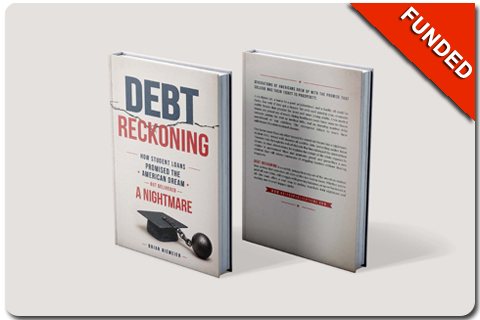
Debt Reckoning is now fully funded on Kickstarter. Stretch Goal 1 is funding now, so if you’d like to support the project and help make the book even better, you can check out the campaign here.