Do Ghosts Exist? A Catholic Look at the Paranormal
Every few years, some viral clip taken from cell phone or doorbell cam footage reignites the eternal debate over ghosts:
Floating lights
a shadow flitting across the hall
voices on a baby monitor in an empty room.
Most people dismiss these phenomena as camera glitches or pareidolia. Others; especially the ones who’ve experienced them, are less sure. But as usual, everyone is pretending like the Church didn’t give the definitive answer centuries ago.
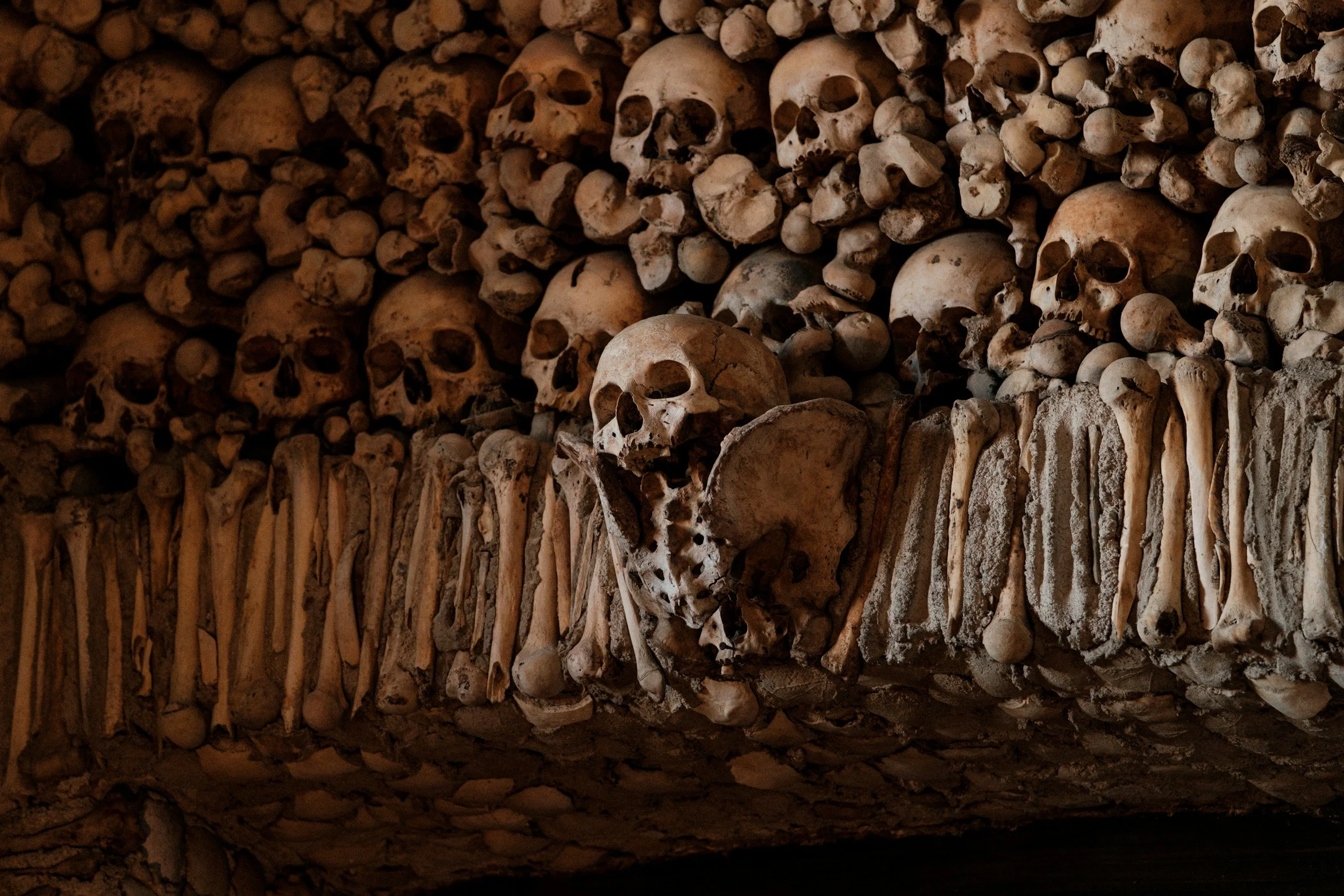
It always strikes a dissonant note when Christians say they don’t believe in ghosts. In the first place, Scripture is full of them. Whether it’s the Witch of Endor summoning Samuel’s shade at King Saul’s behest in the Old Testament, or Moses appearing to Jesus and His Apostles in the New, the Bible takes apparitions of the departed as a given.
Not only does the Catholic Church not deny the possibility of ghosts, she teaches that the dead can manifest to the living. And in keeping with her trademark both/and balance, she also cautions that such cases are rare, mysterious, and not to be trifled with.
What does all of that mean? The key is understanding what exactly we mean by “ghost.”

According to Catholic theology, every human soul survives bodily death. At the moment of death, each person undergoes the particular judgment, after which the soul goes to one of three states:
Heaven, if fully purified
Hell, if in unrepentant mortal sin
Purgatory, if still needing purification before entering Heaven.
So a ghost, in the strict sense, is a human soul temporarily permitted by God to appear to the living.
St. Thomas Aquinas, the Common Doctor of the Church, affirmed this possibility: The dead can, by divine permission, manifest for the good of the living; whether to ask for prayers, warn of sin, or testify to divine justice. In other words, not every ghost story is mere imagination. On the other hand, that may not be your dear departed Uncle Marty coming back to tell you the safe combination.
Let’s get into some spiritual OpSec and take a look at the counterfeits.
The Church recognizes that reports of spirit phenomena fall into three broad classes:
Divine (from God)
Preternatural (from angels or demons)
Natural (from created causes—psychological, environmental, or mechanical).
For every genuine ghost encounter, there are countless deceptions. Scripture is blunt on this point: “… Satan himself transforms into an angel of light” (2 Corinthians 11:14).
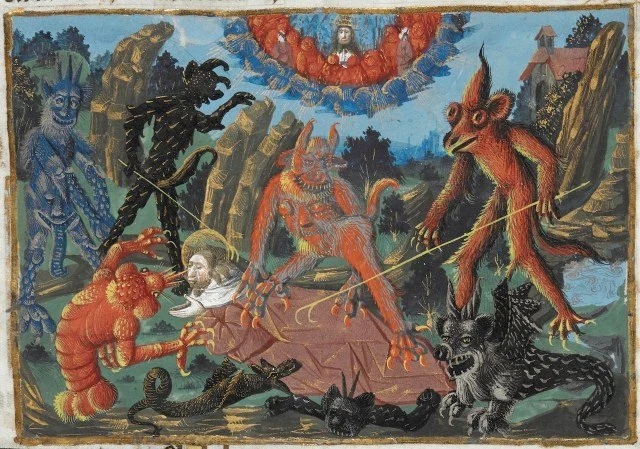
If demons can imitate good angels, it’s child’s play for them to impersonate the dead. They can exploit grief or curiosity, baiting the living into seeking contact through séances, ouija boards, or ghost hunting.
Satan is the Father of Lies. Identifying which phenomena are caused by dead humans and which are demonic is not a job for the curious layman with an EMF meter. Saints and exorcists approach the subject with disciplined caution because they understand how often the Enemy wears friendly faces.
That’s why the Church warns against attempts to summon spirits. The line between innocent curiosity and unwitting invitation is perilously thin.
And once invited, demons rarely go quietly.
Since genuine ghost encounters can only happen if allowed by God, they serve a moral purpose. The souls in Purgatory sometimes appear to request prayers or Masses for their release. These holy souls suffer purification by divine fire and, primarily, the pain of hopeful longing for God. For them, our prayers are charity. They, in turn, can intercede for us.
Saints like Catherine of Genoa and Padre Pio testified to encounters with such souls seeking aid. Even Pope St. Gregory the Great documented them. But none of these spiritual masters went ghost hunting. Nor did they share these accounts as horror stories, but reminders of hope. Even death cannot sever the Communion of Saints.
Contrast that merciful view with the secular world’s take. Hollywood treats ghosts as entertainment fodder. In movies, specters are depicted as earthbound by unfinished business to be solved by psychic detectives or teenagers with flashlights.
The subtext is always the same dull Modernist slop: The afterlife is vague, bureaucratic, and meaningless. But the Catholic vision restores order. The dead act within a logical moral framework under Providence. And their appearances, rare as they are, serve to recall the living to repentance.
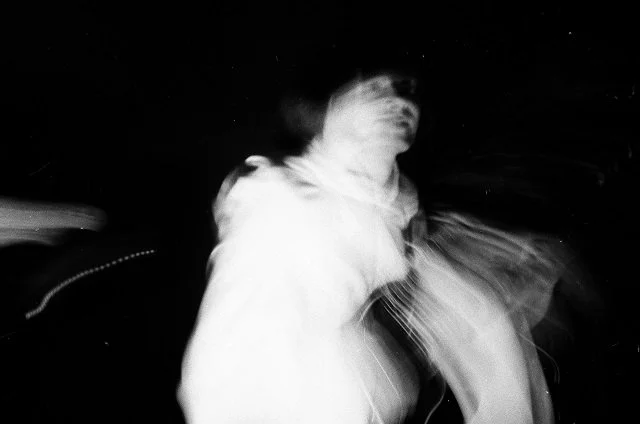
Photo: chicagohistory.org
So, what to do If you see a ghost?
Do not panic. Fear feeds confusion.
Do not attempt communication. No questions, no EVP recordings, no ouija boards. Curiosity is the devil’s favorite way to get his foot in the door.
Pray for the soul. A simple “Eternal rest grant unto him, O Lord …” suffices. If the apparition is a soul in Purgatory, that is precisely what it seeks.
Consult a priest if the disturbance persists. The Church has procedures for investigation and, if warranted, exorcism.
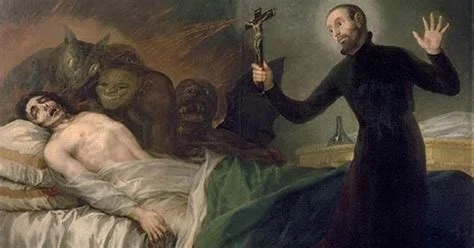
All of the foregoing raises the question: Why can’t the Modern world handle ghosts?
Materialism can’t make sense of the dead. Our technocratic culture denies the supernatural, but our human nature obsesses over it anyway.
It’s the paradox of the age: People who scoff at the Resurrection binge entire series about hauntings. They want cheap wonder without worship and mystery without meaning. But you can’t banish God and keep the afterlife—not without turning it into nightmare fuel.
That’s why the great ghost stories like Hamlet, A Christmas Carol, or Pliny the Younger’s “Letter to Sura” are tales grounded in morality. They don’t present the restless dead as curiosities, but mirrors for the living. Their ghosts haunted the conscience more than the house.
And that’s why Modernism fails to adequately grapple with the preternatural. If ghosts are real, it means we exist beyond death. Then every haunting is a whispered reminder of inevitable judgment. And each restless soul points to the truth the Modern mind most wants to forget.
Death is not a clean escape into consequence-free oblivion. Instead, it’s when all of your misdeeds will be paraded before you. And whether you react with joy or shame will depend on if you repented and amended them.
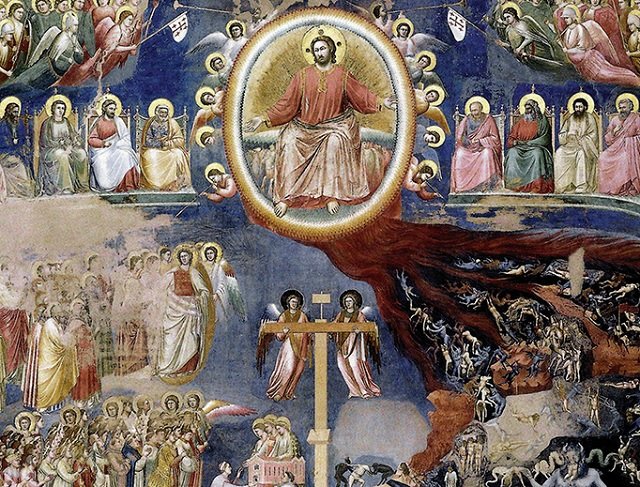
So, do ghosts exist?
Yes, but, they are not what shlock horror movies show you. In truth, they are reminders that eternity is real, and mercy is not automatic.
If you encounter a ghost, your next, and only, step is simple: Pray for him. Above all, remember that Christ has already triumphed over death. The only spirits to fear are the ones who have rejected that victory.
And if your Ring cam captures a shade at 3 a.m., don’t post it for clicks. Kneel down and pray humbly. Someone may need it. And if so, that someone will be grateful you did.
The epic crowdfunder for Book III in my record-breaking Arkwright Cycle goes live next week! Every follower now gets an exclusive bonus pdf of SoE Chapter 1. So follow the campaign now!

Brian Niemeier is a best-selling novelist, editor, and Dragon Award winner with over a decade in newpub. For direct, in-person writing and editing insights, join his Patreon.