Why Readers Predict Your Plot Twists
“I saw the twist coming.”
That’s a critique all authors cringe to hear, and it’s one of the most common complaints beta readers make about new authors’ books.
Many writers jump to the conclusion that the problem is simplicity. So they rewrite the ending, inventing a bigger surprise or adding another layer of misdirection.
And all too often, none of those changes solves the real issue.

Take a close look at twists that disappoint readers, and you’ll often discover the author spent far more effort concealing information than directing attention.
Imagine our overworked detective from previous examples spending 200 pages investigating suspects. Every clue casts suspicion on the struggling businessman who stood to inherit the victim’s fortune.
Then in the last chapter, the gardener who to that point served as window dressing confesses out of the blue.
And readers shake their heads, muttering “I knew it.”
Technically speaking, they didn’t solve the mystery by following the facts of the case. Because the author didn’t give them enough clues.
What they did was intuitively use a mystery heuristic popularized by Roger Ebert:
Read the full post on Substack.
The next adventure begins ...
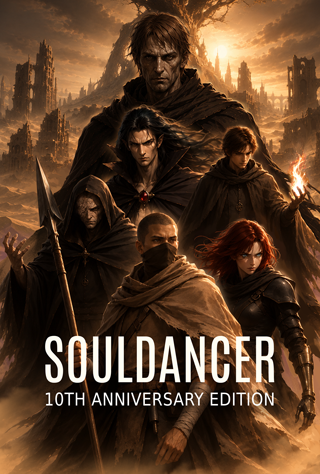
Celebrate the 10th anniversary of my Dragon Award-winning horror adventure novel with the definitive anniversary edition.
Be among the first to know when the campaign launches! Follow it now on Kickstarter.