When Corporations Police Imagination: The Pokémon Channel Shutdown
In a move that surprised no one who has been paying attention—yet should alarm everyone who cares about creaitve freedom—YouTube has removed the fan-favorite Pokénational Geographic channel following a wave of copyright strikes tied to Nintendo’s intellectual property crackdowns.
The channel had a simple, even humble, premise. It presented Pokémon as if they were real animals, complete with documentary style narration and framing. As its name suggested, the channel’s tone echoed National Geographic. And its novel take on fictional infotainment charmed millions.
Note what Pokénational Geographic did not do: It did not replace official Pokémon IPs. Instead, it perfectly complemented them. And that is precisely why it had to go.
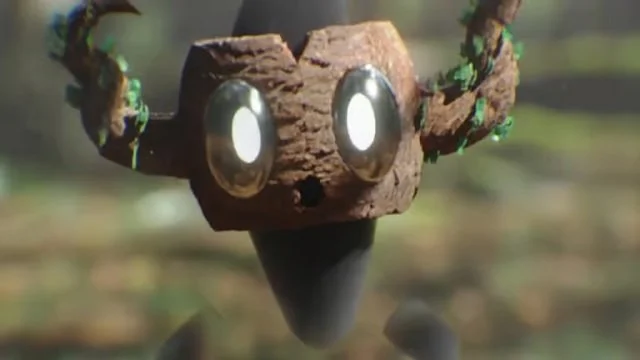
This shutdown comes at a telling moment. Shortly before Pokénational Geographic’s removal, US courts rejected three of Nintendo’s patent claims to Pokémon-related mechanics. The rulings signaled that even one of the most aggressive defenders of intellectual property does not possess unlimited control over ideas, systems, or interpretations. Certain boundaries still exist, even for corporate giants.
Yet the contrast between those two events reveals a deeper truth. Legal limits on patents do little to restrain how corporations wield copyright in practice. One operates in the courtroom. The other plays out through platform enforcement, where accusations have immediate consequences, and there is no guarantee of appeal.
The result is a kind of soft power that bypasses traditional checks and balances. A company does not need to win every legal argument if it can simply remove competing interpretations before they gain traction.
Read the full post on Substack!
Acess it free for the first two weeks, then find it in the paid archive.