When Toys Aren't for Kids Anymore: Pokémon, Lego, and the Nostalgia Money Printer
Something peculiar happened when Lego and Pokémon finally announced an official collaboration. The first wave of sets has dropped, and much of the fan response isn’t excitement so much as bewildered frustration.
Many are upset because the products feel designed for a narrow market slice: adults with disposable income; not kids currently engaged with the franchise. Pokémon players have openly griped online that Lego and The Pokémon Company seem to be prioritizing adult collectors over children who should be the core audience for a toy line.
What this dust-up highlights goes beyond the specific pricing or the age ratings. It shows something deeper about how the pop culture products we grew up with have been transformed into objects of speculative desire rather than shared artifacts of collective memory.
Pokémon started as a phenomenon that brought kids together. On playgrounds and at lunch tables, trainers traded cards and stories, swapped tips on evolving, and argued over who had the best move sets. The result was a set of shared references. And that bond was reinforced by common ritual.
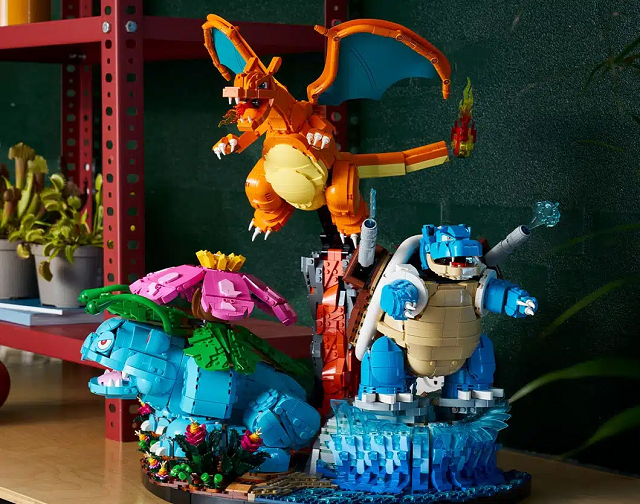
Now consider the Lego Pokémon announcement. The lineup includes meticulously detailed sets of iconic pocket monst ers, but priced and marketed as collectibles rather than playthings. Many of these pieces will end up on shelves where they gather dust, instead of being assembled, disassembled, and jumbled together by curious hands.
Read the full post on Substack!
Access it free for the first two weeks, then find it in the paid archive.