Editing Will Not Save an Unfinished Story
There is a quiet misunderstanding about editing that keeps resurfacing, especially among newer writers. Editing is often treated as a rescue operation. The draft limps to the finish line, exhausted and half-formed, and the editor is expected to revive it through technique alone.
But that expectation misconstrues what editing actually does. Editing refines the author’s decisions. It does not make them.
A story has to know what it is before anyone can improve how it’s told. When that foundation is missing, no amount of sentence-level polish, structural rearranging, or stylistic tightening will produce a result that holds together. The editor ends up rearranging furniture in a house that was never finished.
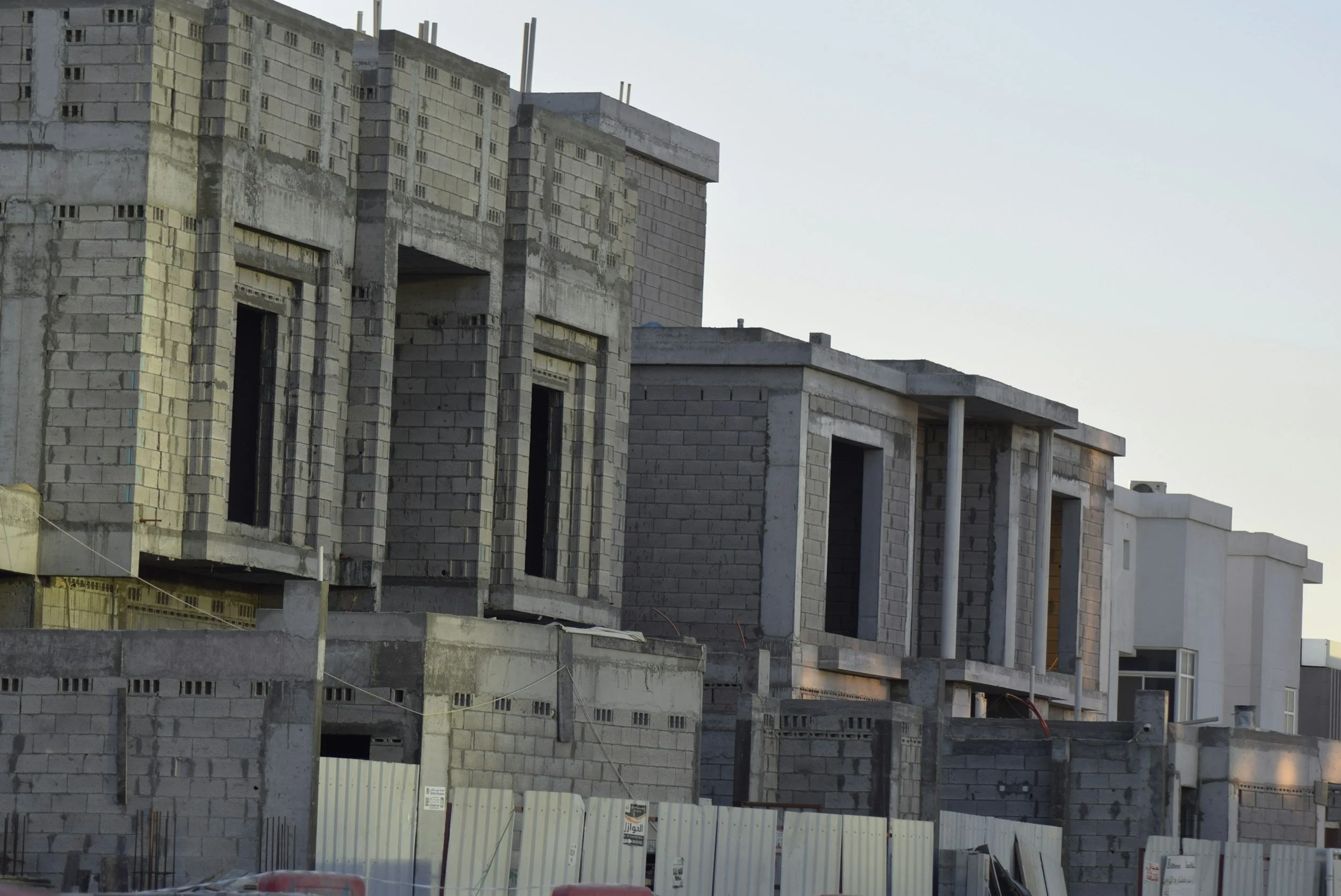
This insight matters because many writers now reach for editing too early, often as a way to avoid a harder obligation:
Finishing the story.
An unfinished story is not simply one that stops mid-plot. It is a story in which the author hasn’t committed fully to the consequences of the premise. Characters are introduced without being tested. Conflicts appear and dissolve without cost. Themes are hinted at but never carried to their logical ends. The draft technically wraps up, yet nothing has truly been resolved.
From the outside, this lack of follow through can present as a problem of execution. But seen from the inside, it’s usually a matter of hesitation.
Read the full post on Substack!
Access it free for the first two weeks, then find it in the paid archive.