Putting a Friendly Face on a Dead Model: What Ark Press Taught Us the Hard Way
The quiet dismissal of popular author David John Butler from Ark Press landed with a thud because it confirmed what many in the counterculture sensed but hoped would not be true: The project was never built to last. Instead, it imitated an industry that has been failing in slow motion for decades.
Butler handled the news with class. No theatrics or public bitterness to see there. He wished them well and moved on like a pro. That reaction earned him even more goodwill, which only sharpened the contrast.
As author Ryan English noted, a lot of interest in Ark existed precisely because Butler was there. Remove the human anchor, and the whole edifice becomes abstract again, another logo floating in an already crowded marketplace.
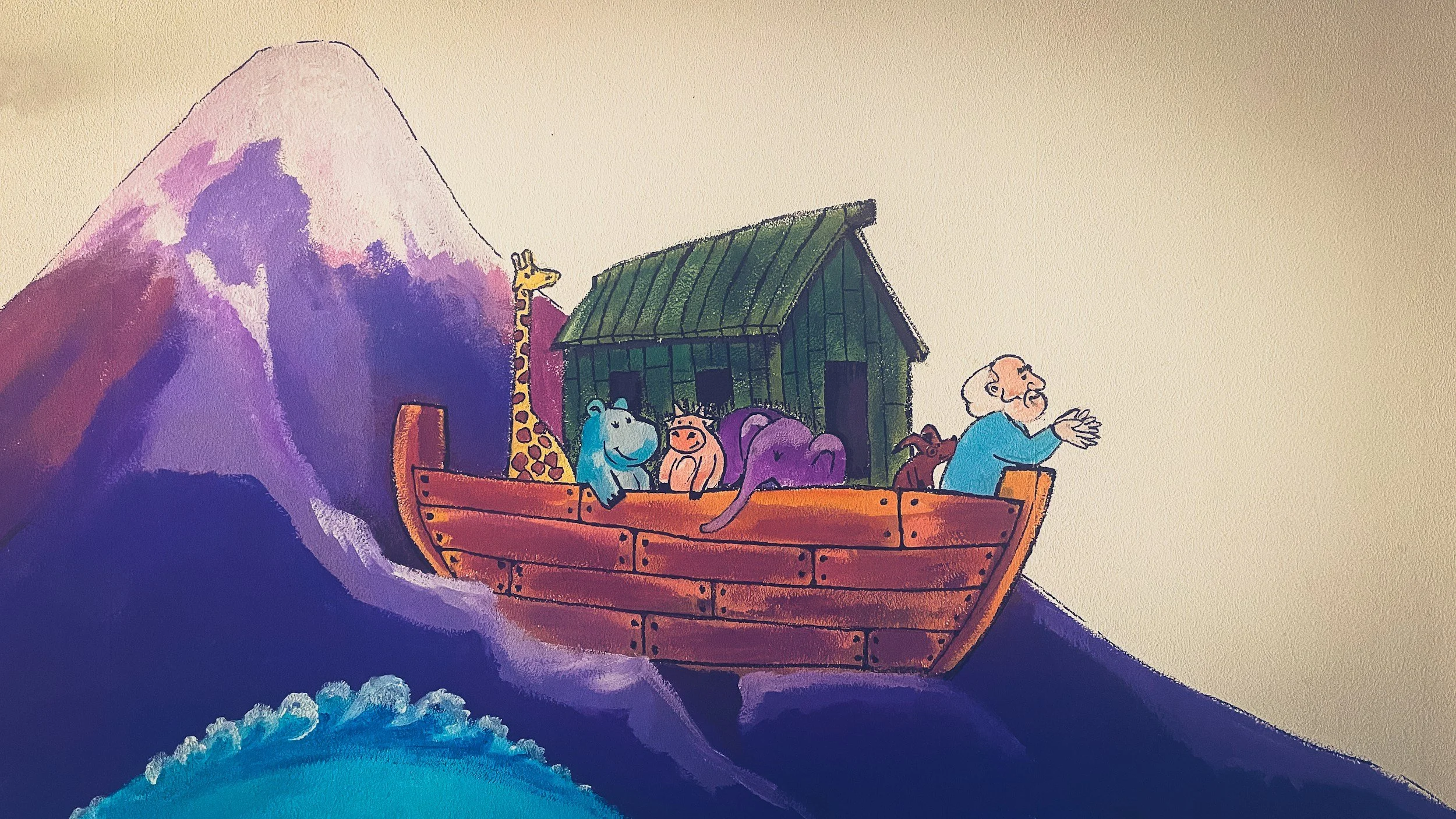
As many predicted, copying the New York publishing playbook was a fatal error. That model survived into the twenty-first century only because it was subsidized by legacy backlists, corporate consolidation, and government-adjacent institutions. Strip those supports away, and the clunky machinery collapses under its own weight.
Startups do not get to coast on prestige accumulated in 1978. Nor do they enjoy decades of compound advantage. They lack a captive distribution network and automatic media coverage. When a new press adopts the same hierarchy, risk aversion, and spreadsheet logic as deadpub, it inherits all the weaknesses without any of the insulation.
Read the full post on Substack!
Access it free for the first two weeks, then find it in the paid archive.