Neopatronage Just Became a Cultural Institution
For most of the twentieth century, artists who wanted to make a living needed backing from institutional gatekeepers.
If you were an author, film maker, or musician, you needed a publisher, a studio, or a record label to grant access to an audience. Even if you knew exactly what you wanted to create, production and distribution required underwriting from big firms with deep pockets.
Then an unexpected sea change hit the industry. Come the dawn of the twenty-first century, millions of creators started writing their own tickets.
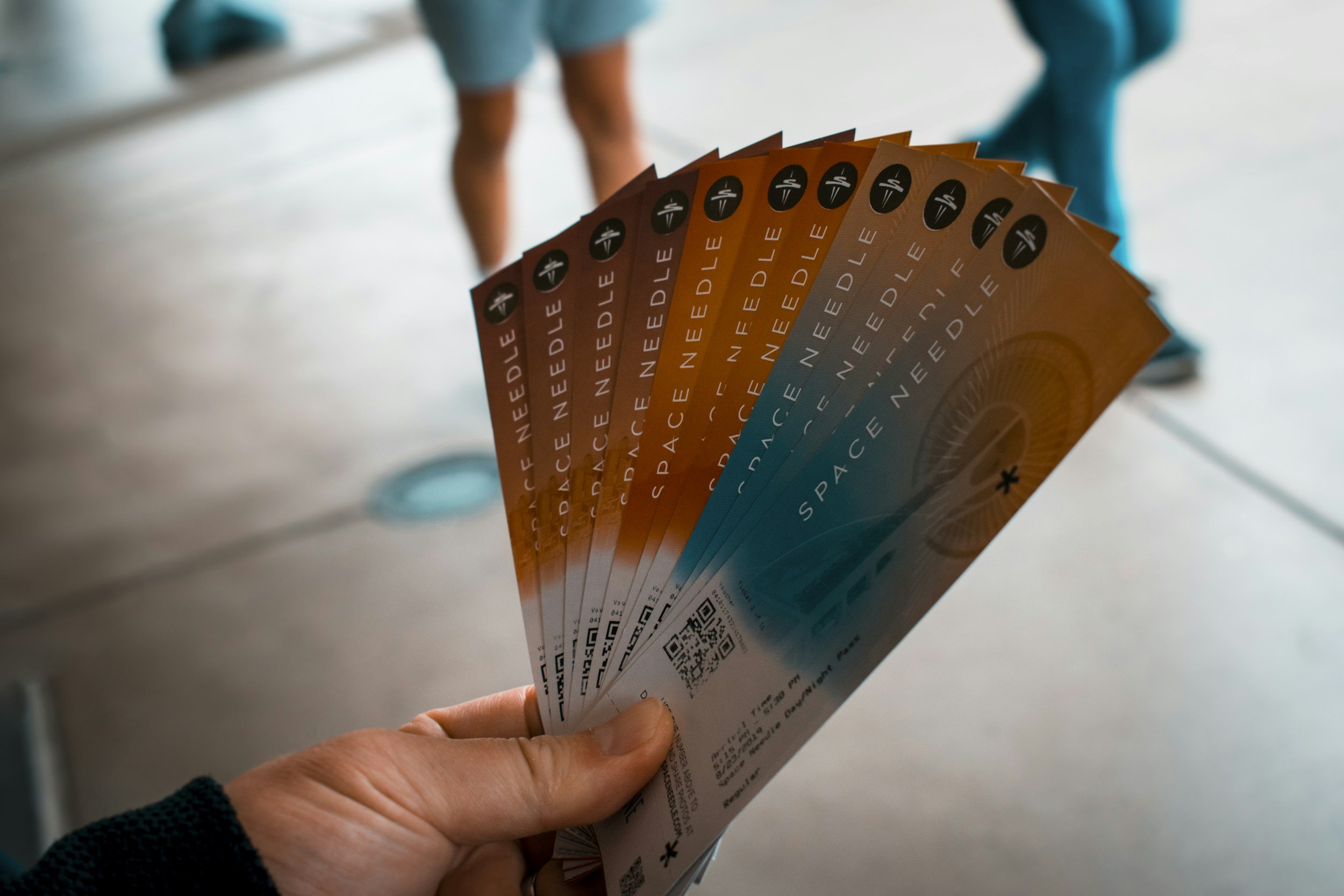
Kickstarter has been at the forefront of the indie revolution. A look at their seventeen-year history offers compelling evidence of how far crowdfunding has come. More than 24 million people have now backed projects on the platform, and roughly a third have supported more than one.
It’s a striking reminder of how art used to get made for centuries: patronage. The Church, the nobility, merchant families, and governments provided resources to artisans in exchange for the works they wanted to foster.
The modern entertainment industry replaced visionary patrons invested in their cultures with corporate culture beholden to investors. Instead of impressing a Medici to get funding, modern artists had to convince talent scouts, agents, and editors that they were fellow travelers. Access to audiences became concentrated in even fewer hands.
Now, the advent of digital distribution and crowdfunding have democratized market access. Instead of courting a billion-dollar megacorp, or one patron with $100,000, a creator can find 1,000 patrons with $100: a new take on a venerable model, which I and others call neopatronage.
And seventeen years in, the old gatekeepers can’t dismiss the new patronage as a passing fad.
Read the full post on Substack.
SOULDANCER RETURNS, THE CYCLE CONTINUES
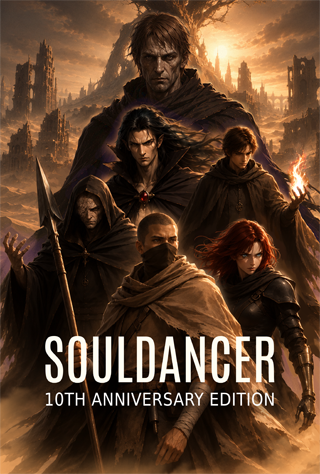
Ten years after winning the first-ever Dragon Award for Best Horror Novel, Souldancer returns with the definitive anniversary edition and an all-new companion novella, The Other Side of Fear.
The Kickstarter is live and met its initial goal within 3 hours. Don’t miss your chance to claim early bird rewards and the new, crowdfunder-exclusive novella.