Why New Authors Struggle With Editing: The Fix That Works
Among the questions new authors ask most often, one stands out because it reveals an anxiety deeper than matters of mere craft:
“How do I know when my book is fully edited?”
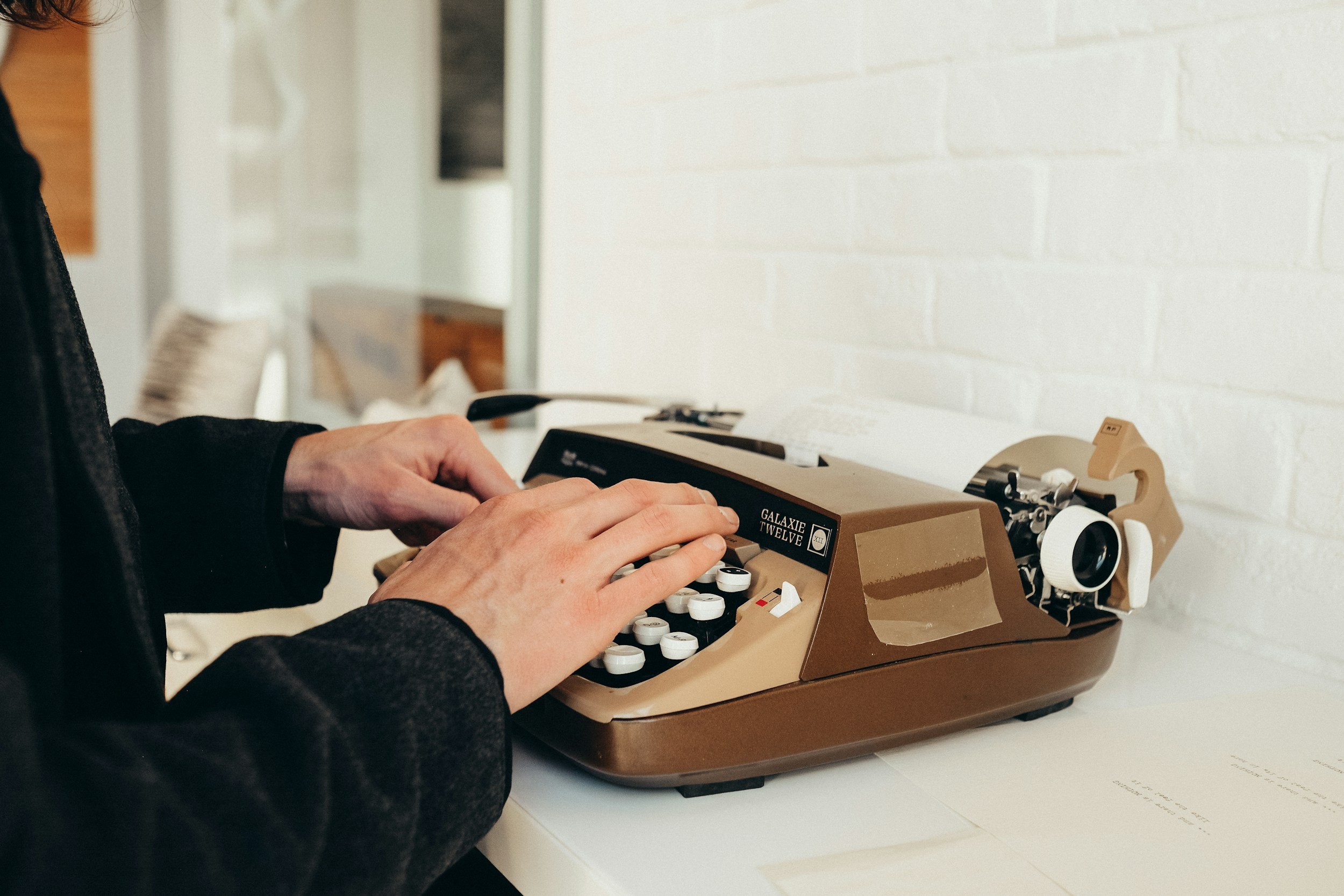
New writers expect editing to feel like a mechanical process to tighten sentences, fix typos, or adjust pacing. They imagine it as a set of boxes to check before publication.
But editing is not like bookkeeping. Loath as some writers are to face it, your first editing pass is the moment of truth when you must confront what you’ve written.
And that’s why so many beginners get stuck. They don’t realize that the fear of editing is actually the fear of discovering that the draft in their heads doesn’t match the draft on the page.
Here’s the inescapable fact that will haunt many of you, but should liberate you: What’s on the page will never equal what’s in your head.
But don’t despair; fear of editing can be overcome.
The first step is simple:
Separate the emotional from the technical

Stop enshrining your manuscript as sacred. Start seeing it as raw material.
When pros talk about “killing their darlings,” this is what they mean. The goal is to tell the story clearly, powerfully, and without self-indulgent clutter.
Once you accept that fact, the panic fades.
Stop asking “Is it perfect?” Ask “Does it work?”
Perfection is a mirage that keeps new writers tilting at windmills. Word count is measurable. Clarity is universal. Emotional impact is tangible.
When you edit, read every scene and ask:
Does this sentence say what I intend?
Will this scene move the story forward?
Does the character’s decision make sense?
If in doubt, default to, “Would a stranger understand this passage without asking me?”
Your idea of perfection fails as a standard because it’s subjective. Function succeeds because it’s objective.
Your first editor is time.
Too many new authors dive right back into the draft the moment they finish typing “The End.” That’s the worst moment to edit; you’re still high on the act of creation.
Put the manuscript away for two weeks. When you return, you’ll see the text as it is—not as you remember it.
That distance alone will fix half your problems before you even pick up the red pen.
A professional editor is not optional, but also not magic.
Here’s the uncomfortable truth: Editors can’t save an author from himself. Editors refine, enhance, and catch structural blind spots. But they can’t inject discipline into a writer who refuses to learn basic craft.
Before you hand off your manuscript, make sure you’ve done everything in your power to strengthen it. A good editor should improve a solid draft; not try to salvage a mess.

You’ll know the book is done when you’re tempted to reverse minor edits
If every pass uncovers major issues, keep going. But once you reach the point of fiddling with cosmetic changes like altering the rhythm of a sentence, swapping out verbs, or rearranging two adjectives, your work is done.
That’s not to say the book will be flawless, but it will be complete. That is the target you’re aiming at.
Never forget: Readers don’t want flawless. They want compelling.

New authors who understand the difference progress faster, publish more, and build their followings. Meanwhile, perfectionists keep polishing manuscripts no one will ever read.
So stop thinking of editing as a punishment. Editing frees your book from the fog of your nebulous intentions and reveals what you actually created.
That’s how you stop being someone who “has an idea for a novel” and become someone who writes books worth reading.
Brian Niemeier is a best-selling novelist, editor, and Dragon Award winner with over a decade in newpub. For direct, in-person writing and editing insights, join his Patreon.