The System Isn't Broken, It's Rigged to Break Young Men
Every so often, a dry academic paper lands with consequences far beyond its intended audience. This report from the Economics of Education Review is one such document. At first glance, it measures classroom evaluation bias. Beneath the surface, it exposes a long-running mechanism for sorting winners from losers long before adulthood.
The study tracks thousands of students across multiple years and compares blind grading with teacher-evaluated work. The outcome is stark: Boys receive systematically harsher evaluations than girls in core subjects during middle school. Those judgments suppress academic progress, narrow future options, and quietly reshape self-perception during the years when identity hardens.
None of this should come as a surprise. I’ve written for years about the downstream effects of institutional hostility toward Millennial men, particularly white men raised under the promise that competence and effort would be rewarded. Corporate hiring pipelines, entertainment gatekeepers, and professional credentialing bodies did not invent their exclusionary logic overnight.
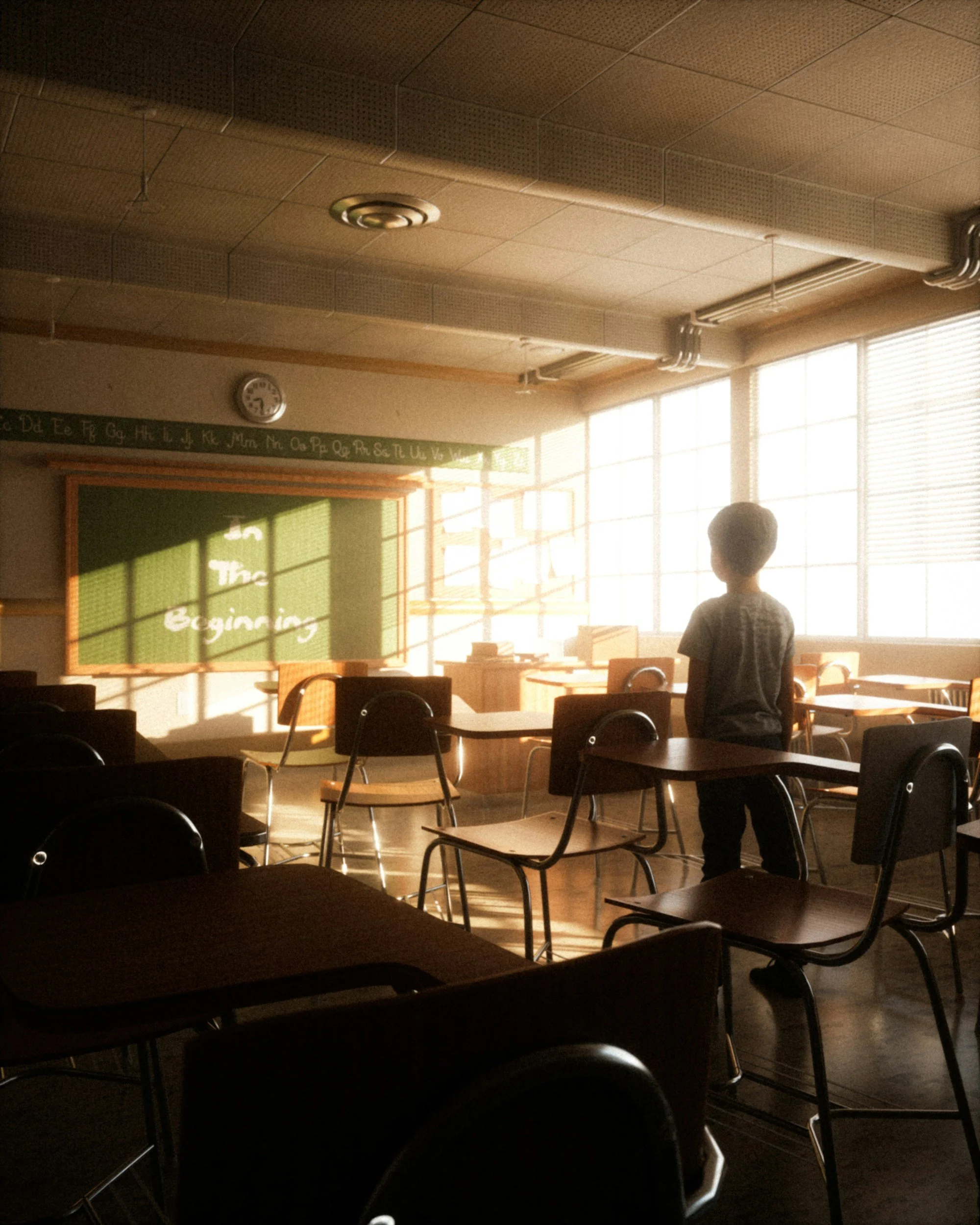
What the report clarifies is how early that ideology-driven filtering begins.
Middle school is where children learn whether authority figures see them as promising or disposable. When boys encounter consistent negative reinforcement from teachers, many disengage. Some internalize the judgment. Others retreat into parallel pursuits. A smaller fraction brute-forces their way forward, only to discover later that the institutions they were told to respect revile them.
This pattern compounds when paired with another long-documented failure: the collapse of American literacy.
Read the full post on Substack!
Access it free for the first two weeks, then find it in the paid archive.