How to Keep Readers Hooked When Nothing Explodes
Everyone knows how to write a shootout. Everyone thinks they know how to write a chase. You throw bodies in motion, raise the stakes, and trust the spectacle to do the heavy lifting.
Then you hit the quieter parts: conversations between two characters, overdue confessions; the subtle turns that clear the way for the next major development.
And suddenly, you’re convinced you’re writing filler.

You aren’t. But you might be writing it like filler. There’s a difference,and understanding it is crucial to effective story craft.
Let’s clear up this common source of new writers’ confusion.
Stillness isn’t boredom unless you let it be
Readers may come for explosions, but they stay for meaning.
If the calm scenes feel limp, the problem isn’t the lack of gunfire. Odds are, you haven’t clarified what the scene means for the characters involved.
A quiet exchange between two people can be more nail-biting than a rooftop battle if:
a secret is almost revealed
the weight of a lie tests a character’s conscience
relationship dynamics change
previous actions come back to bite someone
one character wants what the other isn’t ready to give.
Consider that what is arguably the most gripping scene in modern cinema history is a family discussion between two characters.

Screen shot: Disney
Bet you even heard the dialogue playing in your head, didn’t you?
To achieve similar levels of emotional impact, every scene must contain at least one of the following:
Tension (someone’s desire is impeded)
Revelation (someone gains character-relevant knowledge)
Decision (someone makes a plot-relevant choice).
If the scene fails to accomplish one of those goals, cut it or fold it into a scene that does.
Filler happens when the author drifts
“Filler” is author shorthand for “this scene has no consequences.”
The common misconception has it that readers complain about slow scenes. In fact, what they complain about are scenes that don’t matter.
So the solution is simple: Give the quiet scene consequences.
If two characters talk, some aspect of their relationship must change, even if only a notch. If they argue, the fallout must show up later. If they relax together, they must store up that comfort against difficult times.
When you tie the quiet scenes into the major events that follow, readers retroactively understand that they were valid and necessary setups.
Let the characters drive
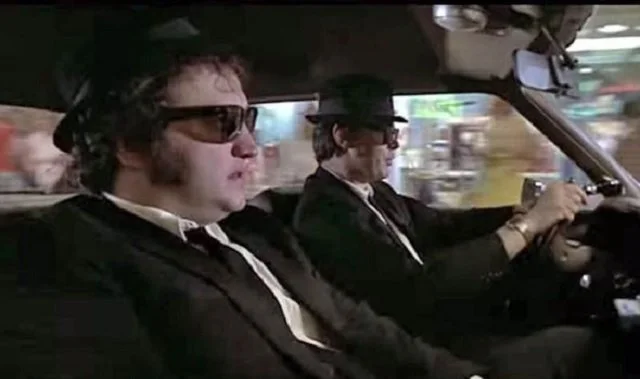
Screen shot: Universal Pictures
New authors often think they need to entertain the reader with banter or quirky observations during calmer scenes. Don’t waste time on such pointless set dressing. Instead, ask:
What does each character want right now? And what stands in the way?
If both characters have clear, conflicting desires, even a mundane moment like cooking, riding in a car,or patching up wounds bristles with tension.
Example structures that work:
Two characters share a meal, but one is hiding something
Friends relax after a fight, but one is considering betraying the group
Two allies discuss tomorrow’s plan while nursing grudges from yesterday’s.
You don’t need melodrama. Conflict embedded in the subtext suffices.
Let the reader see the fuse being lit

Quiet scenes are where you plant the mines that explode later. If your story were a house, the action scenes would be tornadoes hitting it. The quiet scenes are the blueprints the reader needs to understand why the roof caves when and how it does.
Use each slow scene to achieve at least 2 of the following storytelling jobs: plant hints, foreshadow reversals, deepen character flaws, reveal motives, raise questions the plot will answer later.
Readers actually crave these scenes because they heighten the blow that’s coming.
Never forget: Character work is plot
The illusion that “character stuff is filler” comes from a Hollywood-spread misunderstanding that plot and character are wholly separate elements.
Let me fill you in on a little secret: They aren’t.
Plot is what characters do.
Character is why they do it.
The quiet scenes shape the why. Without them, action becomes weightless.

If your slow scenes advance character relationships, alter power dynamics, plant future consequences, or reveal motives that will matter later, have no fear that they’re filler. What they are is the spine of your story.
Remember: The bullets and fireballs are garnish. The quiet moments are the meal. Give them emotional heft and clear purpose, and readers will stay glued to every line.
Brian Niemeier is a best-selling novelist, editor, and Dragon Award winner with over a decade in newpub. If you want writing advice, early draft access, and direct discussion on his private Discord server, you can join his Patreon here.