When a Degree Stopped Working
For most of the twentieth century, higher education carried an authority that bordered on the sacred. A university degree was more than proof of study. It functioned as a social passport. Employers treated it as a shortcut for competence. Cultural institutions treated it as a signal of seriousness. Media organizations treated it as proof that someone belonged inside the room where opinions mattered.
That authority rested on scarcity and credibility. Universities controlled access to credentials, professional networks, and institutional legitimacy. If you wanted to be taken seriously as a writer, critic, or analyst, formal education often served as the entry fee. The degree itself did the heavy lifting.
Then it all quietly stopped.
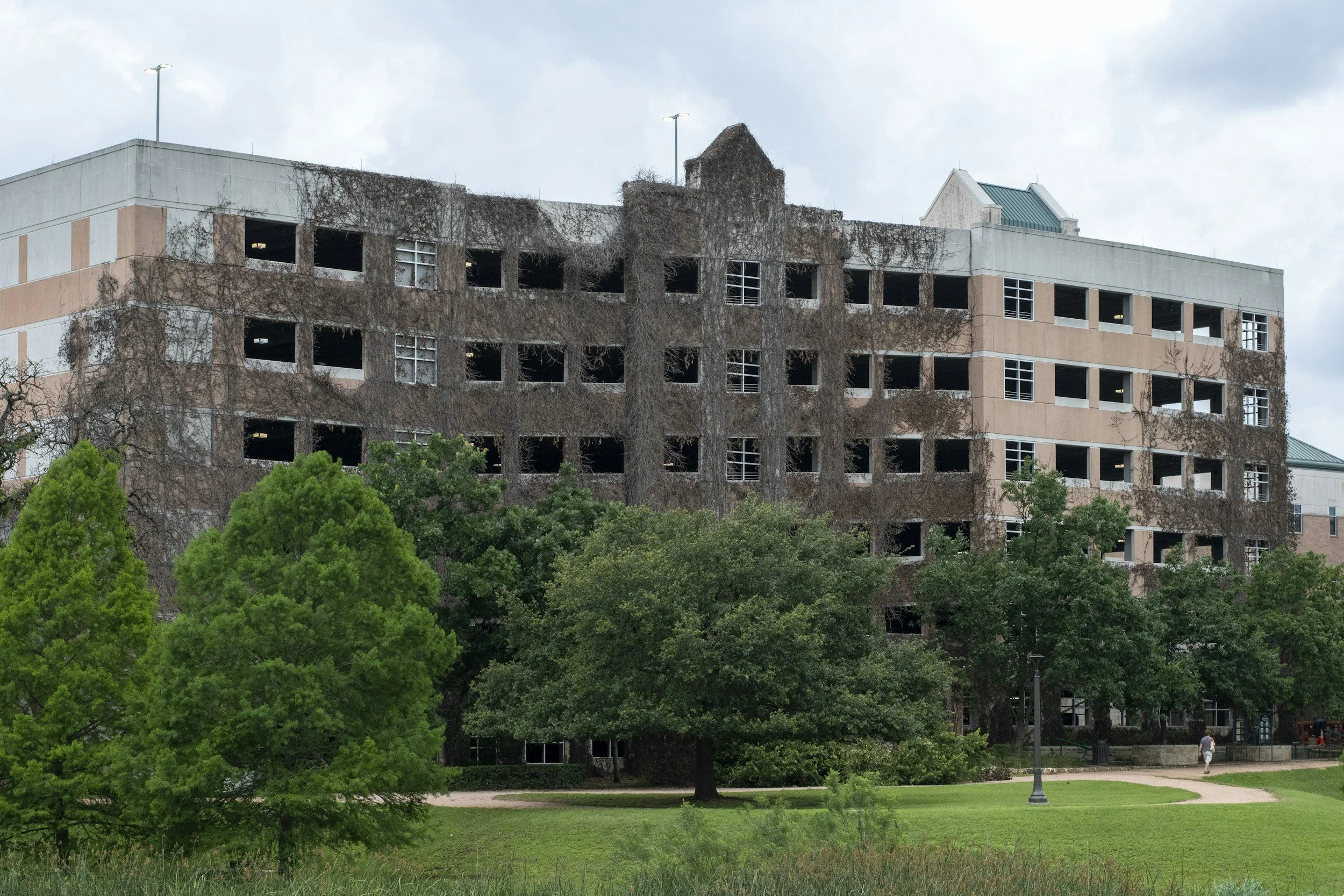
The collapse did not arrive with a single scandal. It emerged through rising tuition, administrative sprawl, ideological capture, and a widening gap between promise and outcome. The cost of a degree climbed. The authority behind it thinned. By the time institutions recognized the problem, their leverage had already eroded.
A college degree once operated as an unspoken contract. Students invested time and money. Universities provided training and vetting. Employers and audiences agreed to treat the credential as reliable.
Read the full post on Substack!
Access it free for the first two weeks, then find it in the paid archive.