Hollywood’s Ongoing Identity Crisis
Hollywood’s identity crisis didn’t begin with a single box-office bomb. And it can’t be explained away by appeals to a bad release calendar. Instead, what we’re watching unfold is the long tail of a deeper failure: an industry that no longer understands its purpose and is trying to fill the void with desperate spending.
For most of the twentieth century, Hollywood’s power rested on a shared assumption. Movies were meant to translate the physical world into mythic form. They compressed space, time, and human conflict into stories that felt larger than life while remaining anchored to it.
Technology changed, stars rose and fell, the genres came in and out of favor; yet Tinseltown’s underlying confidence remained. Studios believed they were in the business of making films people wanted to see, and moviegoers kept enough faith in that belief to show up.
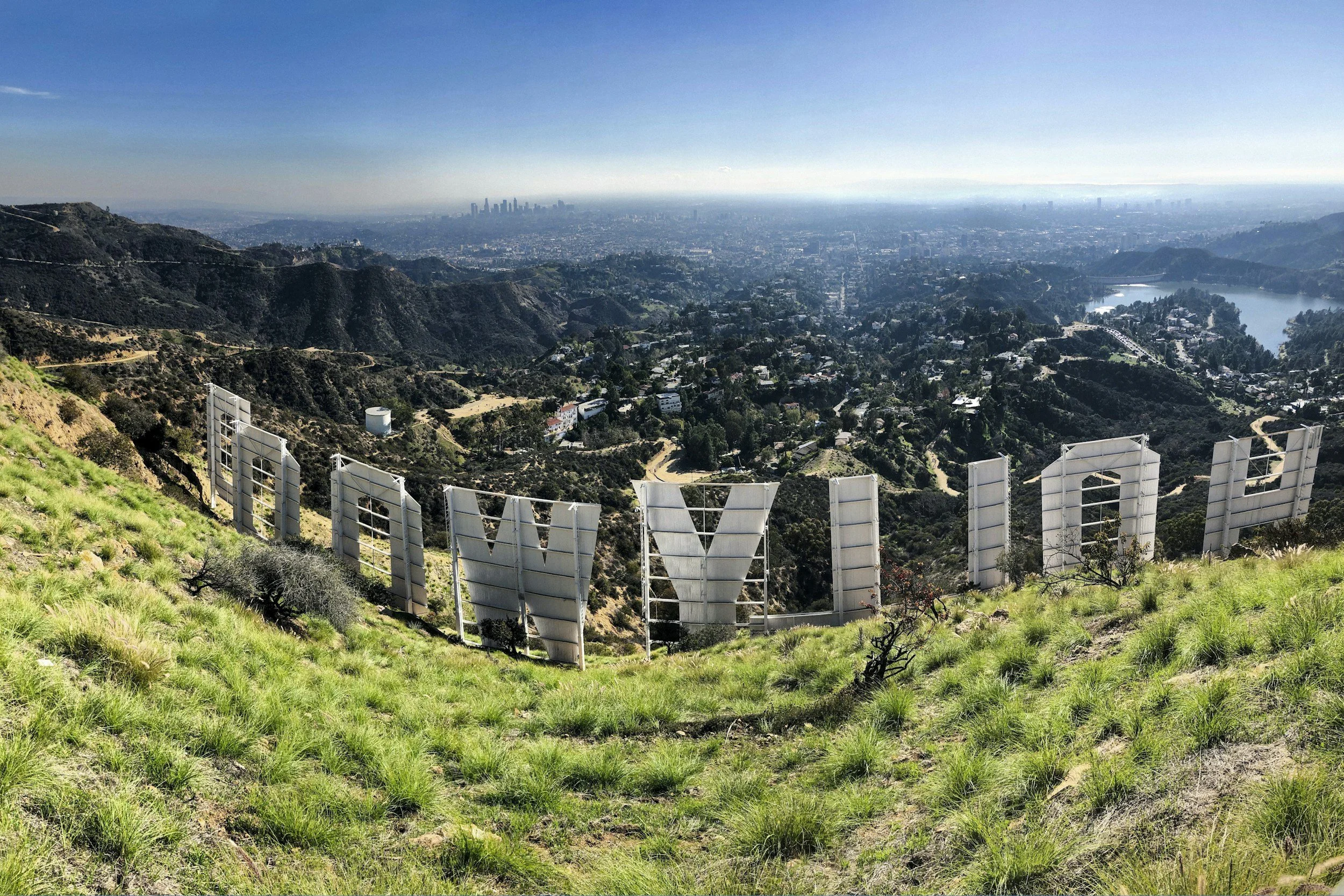
Today, it’s impossible to ignore that Hollywood’s confidence is gone. In its place lies an anxious, relict system obsessed with risk mitigation, optics management, and internal signaling.
Current Year studios greenlight projects that read well in meetings and test strong in narrow demographic slices; then act surprised when their focus-grouped product lands with a thud. The result has been a parade of expensive releases that feel curiously empty, films engineered to avoid offense instead of inviting wonder.
The financial symptoms are now impossible to ignore. Tentpole failures arrive with numbing regularity. Franchises once treated as inexhaustible gold mines struggle to recoup their budgets. International audiences, long relied upon to prop up weak domestic turnout, are losing interest in emotionally inert American glitz.
Read the full post on Substack!
Access it free for the first two weeks, then find it in the paid archive.